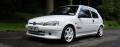
© Alex Robinson & the saxo sports club
Ok the suspension is one of the most important part of a car coming after the tyres and brakes. The saxo standard suspension on all models is a good specification for enjoyable driving and comfort. that's where the compromises are made, do you want a comfy car that can drive down most roads at normal speeds or do you mind the trouble of uncomfy ride and the need to slow down on bumpy roads and for speed humps?
Also why do you want to alter the suspension? do you want it to look lower or do you want it to handle better and grip better? Just because a car is lower doesn't mean it will handle better either, what's more important is suspension geometry and correct spring, anti roll bar and damper rates. Consider what the car is intended for, is it going to be used on track, is it an every day road car or is it a show car?
So you say what suspension kit do i need? So how much are you going to spend, what compromises are you going to make and finally if you really actually want to change the suspension, it affects the way the car drives hugely and you may regret it if you buy the wrong kit.
Suspension kits should only be fitted by professionals or those who have experience as if anything is missed or done incorrectly it is inevitable that something will go wrong most liklely leading to an accident so please act responsibly and use any info provided at your own will.
The saxo uses independant macpherson strut type with coil spring & telescopic dampers on all with anti roll bars on most models, the rear is active beam with trailing arms and torsion bars. Bear in mind that any suspension kits comprise of 2 springs and 4 shock absorbers. Without uprated torsion bars a suspension kit is useless unless you retain the standard front spring rate otherwise you unbalance the handling.
For looks:
There are many kits available to lower up to 60mm on standard struts, any lower than 35mm and shortened uprated shock absorbers must be used. In terms of comfort usually any lower than 40mm and it is uncomfy on anything but smooth tarmac but if you're willing to put up with the ride go as low as you want. Coilovers will lower up to 100mm with the bumpstops removed, these should only be removed for shows as the units wear out very quickly without them and still so far only fk coilovers seem to be reliable if used daily.
Another thing to note is that a lot of people lowered more than 50mm experience driveshaft problems as they sit at a bad angle at this height. On mk2 facelift models from late '99 onwards the power steering pipe is near to the steering rack where the track rods attatch to it an when lowered any more than 30mm people have experienced pump failure due to the pipe wearing through and letting fluid leak. the pipe can be cable tied or bent out of the way to overcome this and for the record mine rubbed almost through down 40mm before i noticed it even though no-one mentioned it could happen.
The compromise made with looks is comfort and handling, any lower than 30mm below standard and the geometry is so far out that the tyre hasn't got a good contact patch with the road this is due to incorrect camber and castor settings, this can leed to bump-steer. i'm not taking hours to explain how the whole suspension system works, if you don't know you don't need to know. Contrary to popular belief the ideal camber setting at ride height is 0 so there should be no camber, when the car is lowered the wishbones and struts push the bottom of the strut outwards this leads to the wheels leaning inwards at the top and outwards at the bottom this is negative camber, if excessively lowered the wishbones will pull the strut inwards however as the damper is at an angle it will continue to add more negative camber, this is only true on the front as the rear is trailing arm hence has no easy way of the camber changing. This will reduce the amount of grip available. Camber and castor can't be adjusted as standard but with £1200 worth of adjustable top mounts and wishbones you can tweek till your hearts content, this will only be of benefit if you are looking to have ultimate handling while excessively lowered and that would mean you couldn't use it as a road car as the mounts and wishbones are solid and wear rapidly and the cost to replace them regularly will be pointless, for a track car there is no problem though. What will worry you more is that the suspension when lowered more than 40mm cannot soak up the british roads, i again won't explain how but any lower than 40mm and you have almost halved the amount of suspension travel over standard. Quite a few suspension kits available will lower by 40-60mm and you really should use uprated shock absorbers with any lowering springs, read further up for whether you need shortened or std length.
good kits for looks are:
Spax -60mm & -40mm kit
GMC -40mm & -50mm kit
Apex -40mm & -50mm kit
Eibach sport -45mm
Pi -60mm
Any of those will do if your willing to make compromise.
For comfort you need to make sure you go no lower than 30mm, the only comfy springs i know of are eibach pro -30mm with an uprated shock combo, tried and tested formula for reasonable handling and comfort on most roads, not a sporty kit by any means though. It does retain standard spring rate however to keep the handling balance. it still can't cope with the english roads though and bottoms out if you drive quick through potholes or over bumps. If you are willing to sacrifice a little comfort for far better handling get the H&R VTS fitment -30mm's
For fast road and track setups we tend to make as little compromise as possible when it comes to handling and grip, the ideal kit is no lower than 30mm below std(to keep wishbone angles & steering arc correct and as a result geometry is ok) and should have uprated shock absorbers, front springs and torsion bars.
An uprated 25mm rear anti roll bar is a good addition too to reduce understeer which helps the car throughout the corner although for the less skilled drivers it can make the car tail happy. The rear suspension components are available through pugsport and are cheapest direct from france, they make a very big difference to the way the car drives. So it seems there are very few kits that only lower 30mm and none that lower less, the eibach pro & H&R -30mm springs and a compromised -40mm gmc setup are good, the GMC and H&R(my personal recommendation) being more sporty but less comfy, i would only use eibachs with std rear bars as the spring rate is too low to warrant uprated rear suspension.
All of the above springs should be used with bilstein sport shocks or sprints/grp N(for GMC springs or highly rated custom ones). The best solution for track and road use is a custom pair of springs which are available from a company called faulkner springs costing around £100 for the pair, if you have tried a few commercial springs and want to customise your handling then post asking for the specification needed and the contact details. Bear in mind that most custom springs will be too hard for use with normal bilstein sports and they require revalving(£250+) or replacing with heavily uprated ones(GMC Grp N bilsteins are perfect for 200lb/in2 but only if the spring is short enough to warrant shortened, ask if you need to know the required spring length). With a fully uprated suspension setup it is beneficial to uprate bushes and reinforce mounting points, powerflex and pugsport(recommended) make bushes and OMP, sparco and pugsport make strut braces and reinforcement plates. The main ones to do are rear beam(not an easy job), grpN top mount and reinforcement plates, uprated wishbone bushes and upper and lower strut braces and a full roll cage (available from OMP) does the biggest bit of reinforcement, as well as adding safety.
Springs then are rated :
std 110-120lb linear 0mm
Eibach 112lb linear -30mm
H&R around 150lb progressive -30mm
GMC between 140-160lb -40mm
The reason for the difference in fast road and track only setups is that over a certain spring rate the car will just be too hard to drive on road, the wheels will skip after bumps and bumps on corners will upset the cars balance as too much movement is transferred from the bump into the body, and also it becomes very uncomfy and annoying to drive and that takes the fun out of it.
Stripping weight out of the car is a good way to make a difference to the handling be sure to readjust the rear height after strippage, and of course the best tyres you can afford are necessary if you are serious about driving and the pressures on std 195/45 15 & 185/55 14's should be run around 2 psi more than recommended for a little more compliance, on hot track days i tend to let some air out of the tyres as they get very hot and the pressure inside rises, when you let the tyres down a little between sessions or in the pit lane you will feel an improvement as soon as you drive it again.
Some useful links can be found on the original guide here:
http://www.saxosportsclub.com/index....viewtopic&t=74
Ok the suspension is one of the most important part of a car coming after the tyres and brakes. The saxo standard suspension on all models is a good specification for enjoyable driving and comfort. that's where the compromises are made, do you want a comfy car that can drive down most roads at normal speeds or do you mind the trouble of uncomfy ride and the need to slow down on bumpy roads and for speed humps?
Also why do you want to alter the suspension? do you want it to look lower or do you want it to handle better and grip better? Just because a car is lower doesn't mean it will handle better either, what's more important is suspension geometry and correct spring, anti roll bar and damper rates. Consider what the car is intended for, is it going to be used on track, is it an every day road car or is it a show car?
So you say what suspension kit do i need? So how much are you going to spend, what compromises are you going to make and finally if you really actually want to change the suspension, it affects the way the car drives hugely and you may regret it if you buy the wrong kit.
Suspension kits should only be fitted by professionals or those who have experience as if anything is missed or done incorrectly it is inevitable that something will go wrong most liklely leading to an accident so please act responsibly and use any info provided at your own will.
The saxo uses independant macpherson strut type with coil spring & telescopic dampers on all with anti roll bars on most models, the rear is active beam with trailing arms and torsion bars. Bear in mind that any suspension kits comprise of 2 springs and 4 shock absorbers. Without uprated torsion bars a suspension kit is useless unless you retain the standard front spring rate otherwise you unbalance the handling.
For looks:
There are many kits available to lower up to 60mm on standard struts, any lower than 35mm and shortened uprated shock absorbers must be used. In terms of comfort usually any lower than 40mm and it is uncomfy on anything but smooth tarmac but if you're willing to put up with the ride go as low as you want. Coilovers will lower up to 100mm with the bumpstops removed, these should only be removed for shows as the units wear out very quickly without them and still so far only fk coilovers seem to be reliable if used daily.
Another thing to note is that a lot of people lowered more than 50mm experience driveshaft problems as they sit at a bad angle at this height. On mk2 facelift models from late '99 onwards the power steering pipe is near to the steering rack where the track rods attatch to it an when lowered any more than 30mm people have experienced pump failure due to the pipe wearing through and letting fluid leak. the pipe can be cable tied or bent out of the way to overcome this and for the record mine rubbed almost through down 40mm before i noticed it even though no-one mentioned it could happen.
The compromise made with looks is comfort and handling, any lower than 30mm below standard and the geometry is so far out that the tyre hasn't got a good contact patch with the road this is due to incorrect camber and castor settings, this can leed to bump-steer. i'm not taking hours to explain how the whole suspension system works, if you don't know you don't need to know. Contrary to popular belief the ideal camber setting at ride height is 0 so there should be no camber, when the car is lowered the wishbones and struts push the bottom of the strut outwards this leads to the wheels leaning inwards at the top and outwards at the bottom this is negative camber, if excessively lowered the wishbones will pull the strut inwards however as the damper is at an angle it will continue to add more negative camber, this is only true on the front as the rear is trailing arm hence has no easy way of the camber changing. This will reduce the amount of grip available. Camber and castor can't be adjusted as standard but with £1200 worth of adjustable top mounts and wishbones you can tweek till your hearts content, this will only be of benefit if you are looking to have ultimate handling while excessively lowered and that would mean you couldn't use it as a road car as the mounts and wishbones are solid and wear rapidly and the cost to replace them regularly will be pointless, for a track car there is no problem though. What will worry you more is that the suspension when lowered more than 40mm cannot soak up the british roads, i again won't explain how but any lower than 40mm and you have almost halved the amount of suspension travel over standard. Quite a few suspension kits available will lower by 40-60mm and you really should use uprated shock absorbers with any lowering springs, read further up for whether you need shortened or std length.
good kits for looks are:
Spax -60mm & -40mm kit
GMC -40mm & -50mm kit
Apex -40mm & -50mm kit
Eibach sport -45mm
Pi -60mm
Any of those will do if your willing to make compromise.
For comfort you need to make sure you go no lower than 30mm, the only comfy springs i know of are eibach pro -30mm with an uprated shock combo, tried and tested formula for reasonable handling and comfort on most roads, not a sporty kit by any means though. It does retain standard spring rate however to keep the handling balance. it still can't cope with the english roads though and bottoms out if you drive quick through potholes or over bumps. If you are willing to sacrifice a little comfort for far better handling get the H&R VTS fitment -30mm's
For fast road and track setups we tend to make as little compromise as possible when it comes to handling and grip, the ideal kit is no lower than 30mm below std(to keep wishbone angles & steering arc correct and as a result geometry is ok) and should have uprated shock absorbers, front springs and torsion bars.
An uprated 25mm rear anti roll bar is a good addition too to reduce understeer which helps the car throughout the corner although for the less skilled drivers it can make the car tail happy. The rear suspension components are available through pugsport and are cheapest direct from france, they make a very big difference to the way the car drives. So it seems there are very few kits that only lower 30mm and none that lower less, the eibach pro & H&R -30mm springs and a compromised -40mm gmc setup are good, the GMC and H&R(my personal recommendation) being more sporty but less comfy, i would only use eibachs with std rear bars as the spring rate is too low to warrant uprated rear suspension.
All of the above springs should be used with bilstein sport shocks or sprints/grp N(for GMC springs or highly rated custom ones). The best solution for track and road use is a custom pair of springs which are available from a company called faulkner springs costing around £100 for the pair, if you have tried a few commercial springs and want to customise your handling then post asking for the specification needed and the contact details. Bear in mind that most custom springs will be too hard for use with normal bilstein sports and they require revalving(£250+) or replacing with heavily uprated ones(GMC Grp N bilsteins are perfect for 200lb/in2 but only if the spring is short enough to warrant shortened, ask if you need to know the required spring length). With a fully uprated suspension setup it is beneficial to uprate bushes and reinforce mounting points, powerflex and pugsport(recommended) make bushes and OMP, sparco and pugsport make strut braces and reinforcement plates. The main ones to do are rear beam(not an easy job), grpN top mount and reinforcement plates, uprated wishbone bushes and upper and lower strut braces and a full roll cage (available from OMP) does the biggest bit of reinforcement, as well as adding safety.
Springs then are rated :
std 110-120lb linear 0mm
Eibach 112lb linear -30mm
H&R around 150lb progressive -30mm
GMC between 140-160lb -40mm
The reason for the difference in fast road and track only setups is that over a certain spring rate the car will just be too hard to drive on road, the wheels will skip after bumps and bumps on corners will upset the cars balance as too much movement is transferred from the bump into the body, and also it becomes very uncomfy and annoying to drive and that takes the fun out of it.
Stripping weight out of the car is a good way to make a difference to the handling be sure to readjust the rear height after strippage, and of course the best tyres you can afford are necessary if you are serious about driving and the pressures on std 195/45 15 & 185/55 14's should be run around 2 psi more than recommended for a little more compliance, on hot track days i tend to let some air out of the tyres as they get very hot and the pressure inside rises, when you let the tyres down a little between sessions or in the pit lane you will feel an improvement as soon as you drive it again.
Some useful links can be found on the original guide here:
http://www.saxosportsclub.com/index....viewtopic&t=74
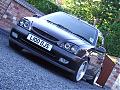
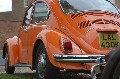










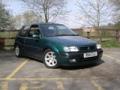

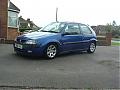


 and i have no idea what the car has been lowered to or what springs so i thought about getting a brand new kit, soo i was just wondering which suspension kit you would recommend for my car in my situation? thanks, mattyboi247